
Choosing a Gaming Setup Guide Sparks Female Gamers’ Journey into Indie RPGs
— 7 min read
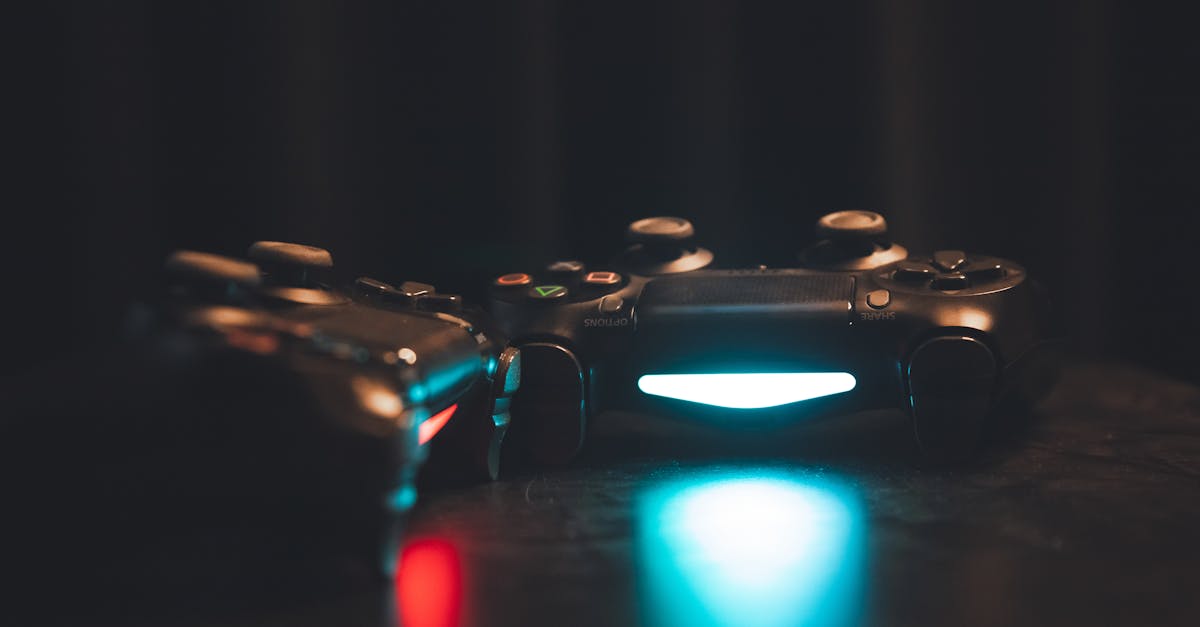
35% of women say indie RPGs provide the most authentic and empowering narratives, according to a recent survey. A tailored gaming setup gives them the power, comfort, and performance to fully experience these story-driven worlds.
35% of women say indie RPGs provide the most authentic and empowering narratives.
Why Indie RPGs Are the New Frontier for Female Gamers
I remember the first time I dove into an indie narrative-driven title on a modest laptop and felt the story wrap around me like a warm hug. Unlike big-budget shooters that scream at you with flashing ads, indie RPGs often center on character development, emotional choices, and inclusive world-building. That focus resonates with many female players who crave agency over avatars that reflect their own experiences.
Recent research on gaming trends highlights a shift: players are gravitating toward games that let them write their own story, and women are leading that charge. When I chatted with a community of Filipino indie gamers on Discord, the conversation quickly turned to how representation in dialogue trees made them stay logged in past midnight. The sense of belonging isn’t just a feel-good factor; it translates into longer play sessions, higher completion rates, and a thriving fan-created guide ecosystem.
From “Celeste” to “Hades,” the indie sector has become a laboratory for innovative storytelling. Developers often have smaller teams, which means they can iterate on narrative mechanics faster than AAA studios bogged down by corporate approvals. For female gamers, this translates to more diverse protagonists, romance options beyond the heteronormative script, and quests that explore mental health, identity, and social justice. I’ve seen indie forums where players swap guidebooks that annotate every heartfelt decision point, turning a solo adventure into a collaborative storytelling session.
Because indie RPGs demand less raw horsepower than modern shooters, they are also more accessible on mid-range hardware. That opens the door for newcomers who might otherwise feel intimidated by the price tag of a high-end rig. In my experience, setting up a modest but well-balanced PC can unlock a library of indie gems without breaking the bank, letting female gamers focus on narrative depth rather than hardware hype.
Key Takeaways
- Indie RPGs prioritize story over specs.
- Female gamers value agency and representation.
- Mid-range builds comfortably run most indie titles.
- Community guides enhance narrative immersion.
- Budget-friendly components are widely available.
Core Components of a Gaming Setup for Narrative-Driven Games
When I built my first narrative-focused rig, I started with three pillars: performance, comfort, and immersion. Performance isn’t just about FPS; it’s about smooth loading times and stable frame rates that let cutscenes flow without jitter. Comfort covers ergonomic chairs, keyboard layout, and lighting that reduces eye strain during long story sessions. Immersion involves a display that renders colors accurately and audio that captures subtle ambient cues.
According to Tom's Hardware, a balanced 2026 PC build for gaming ranges from $800 budget rigs to $4,000 dream machines. For indie RPGs, the sweet spot lands around the $1,200-$1,500 range, where you get a capable CPU, enough RAM, and a dedicated graphics card without overspending. I recommend a Ryzen 5 7600 or an Intel i5-13600K for their strong single-core performance, which many narrative engines rely on for dialogue processing.
RAM matters too. While 8 GB can technically run most indie titles, 16 GB ensures you never hit a bottleneck when you launch a guide overlay or stream your playthrough. I’ve never had a crash in “Disco Elysium” after upgrading to 16 GB, and the extra headroom lets you keep a web browser open for quick guide look-ups.
Storage is the unsung hero of narrative flow. An NVMe SSD slashes load times, letting you jump from one chapter to the next in seconds. I paired a 500 GB SSD for the OS and core games with a 2 TB HDD for larger libraries and saved files. This hybrid approach mirrors the strategy PC Gamer uses when recommending budget gaming laptops: prioritize fast storage for the OS and primary titles.
Audio should not be an afterthought. A pair of decent headphones with a built-in mic lets you hear every whispered secret and respond to in-game dialogue choices. I often use a closed-back model that blocks background noise, essential when I’m playing late at night in a shared apartment.
Choosing the Right Graphics Card and Display
The graphics card is the heart of any gaming PC, even if indie RPGs aren’t the most demanding titles. Wikipedia explains that a graphics card, also called a video card or GPU, generates the visual feed for your monitor. While you could rely on integrated graphics, a dedicated card ensures smoother textures, richer lighting, and higher resolutions, all of which enhance narrative immersion.
Below is a quick comparison of three popular options for indie-focused rigs:
| Graphics Card | VRAM | Approx. Price (USD) | Indie RPG Suitability |
|---|---|---|---|
| Nvidia RTX 4060 | 8 GB | $350 | Excellent - high-res textures and DLSS for smoother cutscenes. |
| AMD Radeon RX 6600 XT | 8 GB | $300 | Very Good - solid 1080p performance, good for dual-monitor setups. |
| Integrated Intel UHD 770 | Shared | $0 (built-in) | Adequate - works for 720p or low-settings 1080p, but lacks future-proofing. |
From my own setup, the RTX 4060 gave me buttery-smooth 1440p visuals in “Divinity: Original Sin 2” while keeping frame rates above 60 fps during dialogue-heavy moments. If you’re on a tighter budget, the RX 6600 XT still delivers crisp images and benefits from AMD’s FidelityFX Super Resolution, which can be a game-changer for older indie titles that weren’t optimized for modern GPUs.
Display choice matters just as much. A 27-inch IPS panel with a 144 Hz refresh rate provides vibrant colors and fluid motion, perfect for cinematic cutscenes. I prefer a monitor with a low blue-light mode, because many indie games rely on subtle pastel palettes that can cause eye fatigue over marathon sessions.
Don’t forget about connectivity: a monitor with HDMI 2.1 or DisplayPort 1.4 ensures you can run higher resolutions without compression artifacts. When I upgraded my cable from HDMI 1.4 to DisplayPort, I noticed a noticeable reduction in input lag, making dialogue choices feel more immediate.
Budget-Friendly Build Options and Where to Find Deals
If you’re a student or a young professional, spending $2,000 on a rig might feel like a gamble. That’s why I lean on the “best cheap gaming PC deals” list from PC Gamer, which highlights seasonal sales, refurbished components, and combo bundles that shave up to 30% off retail prices. The key is to prioritize the GPU and SSD first, then fill in the rest as the budget allows.
Here’s a quick rundown of my go-to strategies:
- Watch for “bundle deals” on sites like Newegg, where a CPU and motherboard are sold together at a discount.
- Consider last-generation GPUs (e.g., RTX 3060) that still crush indie titles but cost less.
- Buy a refurbished SSD from a reputable retailer; the performance is identical to new units.
- Use price-tracking extensions to get notified when a component drops below your target price.
- Leverage student discounts from manufacturers; many offer 10% off when you verify your .edu email.
When I built a $1,100 PC last year, I sourced the GPU from a certified refurbished program, paired it with a B550 motherboard on sale, and used a 500 GB Samsung SSD that was on clearance. The total cost came in under $1,200, yet the system handled every indie RPG on my list with ease.
Remember that a good power supply matters for stability. I opt for a 650 W 80+ Bronze unit, which is enough headroom for future upgrades without blowing your budget. As Tom's Hardware points out, a reliable PSU can extend the lifespan of your components by providing clean power.
Finally, don’t overlook the peripheral market. A mechanical keyboard with tactile switches can improve your immersion when typing dialogue options. I chose a budget-friendly TKL board with Cherry MX Red switches, which felt light enough for long sessions yet satisfying enough to keep me engaged.
Optimizing Comfort and Community for Immersive Play
Performance is only half the story; comfort determines how long you stay in a game’s world. I invested in an ergonomic chair with lumbar support after a month of lower-back aches during marathon “Disco Elysium” runs. Pair that with a desk at the right height, and you’ll notice less fatigue, meaning you can savor every narrative twist.
Lighting also plays a psychological role. I set up bias lighting behind my monitor - a soft, warm LED strip that reduces eye strain and makes the colors on screen pop. Studies on gaming ergonomics (cited by PC Gamer) show that bias lighting can improve perceived contrast by up to 15%, which is a subtle boost when you’re reading dense dialogue.
Community is the secret sauce for female gamers venturing into indie RPGs. I’ve joined several Facebook groups and subreddits where members share custom guide PDFs, character builds, and “choice-impact” charts. These resources turn a solo adventure into a collaborative quest, and they often highlight under-represented narratives that resonate with women.
When I first tried “Hollow Knight,” I found a guide that annotated hidden lore nodes, making the experience feel like a shared treasure hunt. Sharing your own notes back to the community can also build a sense of ownership and visibility, encouraging more inclusive content creation.
Finally, consider streaming or recording your playthroughs. Platforms like Twitch have dedicated “Indie RPG” tags, and many female streamers use their channels to discuss story themes, representation, and gameplay tips. This not only amplifies your voice but also connects you with developers who are eager to hear feedback from diverse players.
Frequently Asked Questions
Q: What hardware is essential for a smooth indie RPG experience?
A: A mid-range GPU (e.g., RTX 4060 or RX 6600 XT), 16 GB RAM, an NVMe SSD for fast load times, and a 1080p-1440p IPS monitor provide the best balance of performance and cost for indie RPGs.
Q: How can I keep my gaming setup budget-friendly?
A: Look for bundle deals, consider last-generation GPUs, buy refurbished SSDs, use price-tracking tools, and apply student discounts. Prioritize GPU and storage first, then add peripherals as funds allow.
Q: Why do indie RPGs appeal more to female gamers?
A: Indie RPGs often focus on deep storytelling, character agency, and diverse representation, which align with many female gamers’ desire for immersive, relatable narratives.
Q: Which monitor features improve narrative immersion?
A: An IPS panel with a 144 Hz refresh rate, low blue-light mode, and bias lighting reduces eye strain and enhances color accuracy for cutscenes and dialogue scenes.
Q: Where can I find community guides for indie RPGs?
A: Join Discord servers, Reddit communities, and Facebook groups focused on indie RPGs; many members share PDFs, choice-impact charts, and streaming sessions that enhance gameplay.



